
Repair Responsibilities In Rental Properties
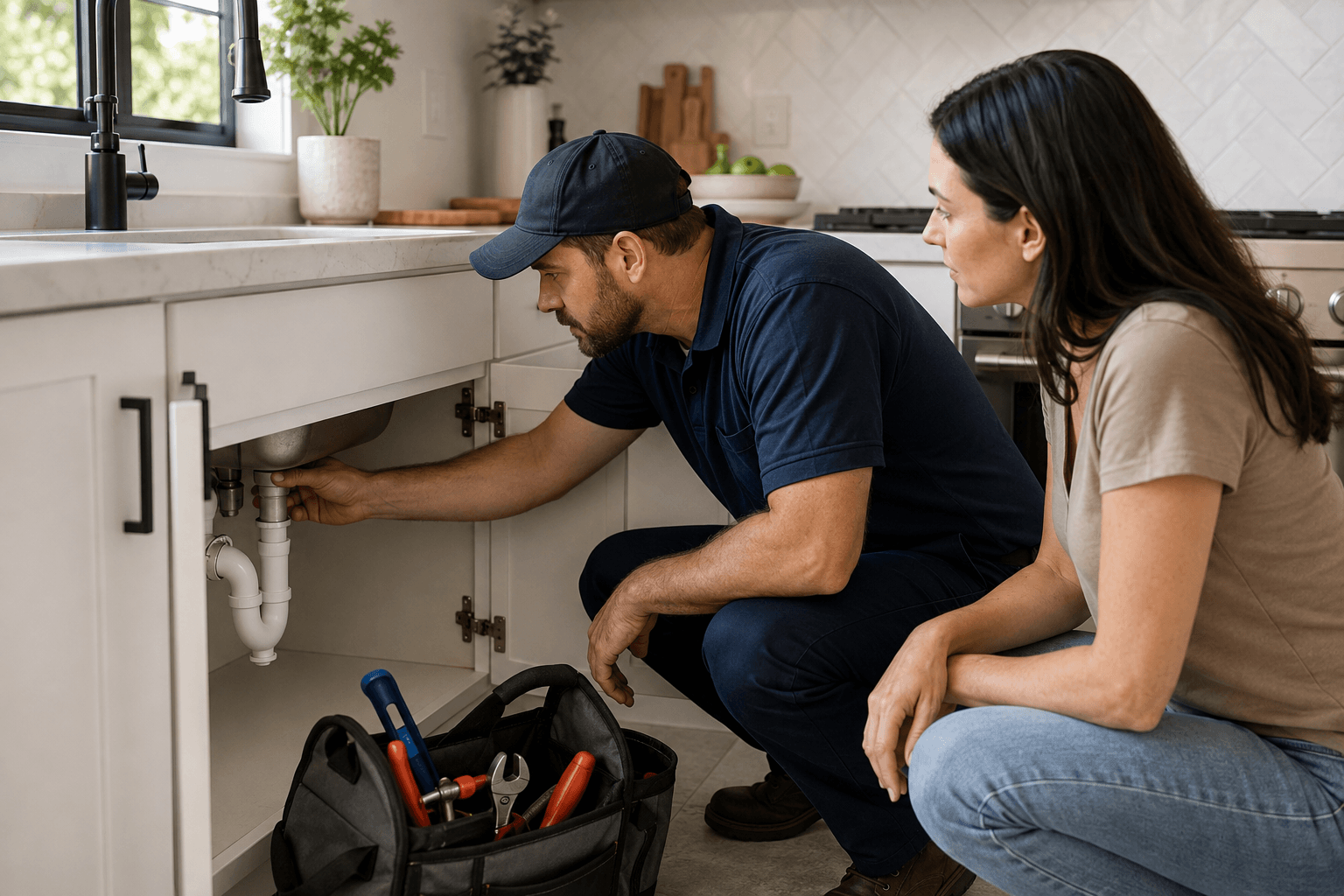
Repair Responsibilities In Rental Properties: Who Handles What?
Understanding who is responsible for repairs in a rental property can sometimes lead to confusion or disputes. This guide will clarify the division of responsibilities between landlords and tenants to help ensure maintenance issues are dealt with efficiently and fairly.
By knowing what’s expected, landlords and tenants can maintain a smoother relationship while helping keep the rental property in excellent condition.
Repairs: What Landlords Must Handle
As a landlord in Texas, you’re responsible for addressing certain conditions that affect the health or safety of an ordinary tenant. This responsibility is important for the well-being of your tenants and for meeting applicable requirements under Texas law.
Some of the repairs landlords typically handle include:
- Fixing leaks or malfunctions in plumbing systems, such as broken water heaters or sewer line problems
- Maintaining fixtures like sinks, showers, and faucets
- Repairing issues related to gas or electrical systems, such as faulty wiring or circuit problems
- Meeting applicable smoke alarm requirements
- Installing required security devices on exterior doors
Texas is very specific about security device requirements, making this an important area for rental property owners to understand.
Your lease agreement may detail additional responsibilities, but as a general rule, landlords should pay close attention to repairs involving the health or safety of their tenants.
Plumbing Issues: Who’s Responsible?
Plumbing systems in rental properties generally fall under the landlord’s responsibilities unless the problem was caused by the tenant’s actions, such as flushing inappropriate items down a drain or toilet.
Leaks or broken pipes, for example, are typically the landlord’s responsibility to repair.
It is also in the best interest of both the landlord and property manager to take swift action on plumbing issues to reduce the chance of additional damage caused by leaking water.
Appliances And Utility Systems
If the rental property includes appliances such as stoves or dishwashers, responsibility for maintaining those appliances should be addressed by the lease.
Tenants are typically responsible for their utility bills, while landlords maintain the systems, such as electrical wiring and plumbing, that allow those utilities to function properly.
Refrigerators, washers, and dryers may be handled differently in the Dallas-Fort Worth metroplex. These appliances should be specifically addressed in the lease for each property, including whether they are provided under "as is" terms.
Tenant Responsibilities In Rental Properties
While landlords handle many of the larger repairs, tenants also play an important role in maintaining the property.
Typical tenant responsibilities may include:
- Basic upkeep: Tenants are expected to take care of minor tasks such as changing light bulbs, replacing HVAC filters, and keeping the property clean.
- Repairing damage: Damage caused by the tenant, whether through negligence or other tenant-caused circumstances, may be the tenant’s responsibility.
- Landscaping: This may be addressed differently in each lease, but for many single-family properties in the Dallas-Fort Worth area, the tenant is responsible for routine landscaping. This may include mowing the yard, trimming shrubs, fertilizing, and appropriately watering the lawn, especially during hot summer months.
- Security improvements: If tenants want to install additional locks or a security system, they should first obtain the landlord’s approval and follow the requirements of the lease and applicable law.
- Using utilities properly: Tenants should use plumbing, electrical, and gas systems as intended to help prevent damage.
- Reporting issues promptly: When something needs repair, tenants should notify the landlord or property manager promptly to help prevent a small problem from becoming a larger one.
When Tenants Can Handle Repairs
While larger repairs should generally be handled by the landlord or a qualified professional, tenants can sometimes manage minor maintenance items themselves when appropriate and permitted.
This might include patching small nail holes, tightening a loose door handle, or handling other basic maintenance tasks.
For more complex issues, tenants should communicate with the landlord or property manager and leave repairs to qualified professionals.
Gray Areas In Repair Responsibilities
Pest Control: Who Takes Care Of It?
Pest issues can be a gray area when determining repair and maintenance responsibilities.
Before a tenant moves in, the landlord should ensure the property is delivered in an appropriate condition. However, if an infestation occurs during the lease because of tenant actions or conditions, responsibility may differ.
Issues involving wood-destroying insects, such as termites or carpenter ants, may also need to be handled differently.
The circumstances, lease terms, and applicable requirements should be reviewed when determining responsibility for a specific pest problem.
Normal Wear And Tear Vs. Damage
Normal wear and tear is part of the aging process of any home and is generally different from tenant-caused damage.
For example, carpet wear caused by normal foot traffic over time would generally be considered normal wear and tear.
On the other hand, damage caused by negligence or misuse, such as a broken window caused by the tenant, may be the tenant’s responsibility.
Common Questions: Landlord FAQs
What Is A Landlord’s Most Important Repair Responsibility?
One of a landlord’s primary responsibilities is addressing property conditions that affect the health or safety of an ordinary tenant when the requirements under Texas law are met.
Owners should respond promptly when these types of repair issues are reported.
How Long Does A Landlord Have To Make A Necessary Repair?
Texas law does not mean that every repair must simply be completed within seven days.
Under applicable provisions of the Texas Property Code, seven days after a landlord receives notice is generally presumed to be a reasonable period to make a diligent effort to repair certain qualifying conditions. However, the appropriate timeframe can depend on the nature of the problem and factors such as the availability of labor, materials, and utilities.
Landlords should address repair requests promptly and review the applicable requirements of the Texas Property Code when necessary.
What Happens If A Landlord Doesn’t Address Repairs In A Timely Manner?
Under certain circumstances, Texas tenants may have legal remedies when qualifying repairs are not addressed after the required procedures and notices have been followed.
However, tenants must follow the specific legal requirements outlined in Chapter 92 of the Texas Property Code before exercising remedies such as repair and deduct.
Are Landlords Required To Maintain Appliances Provided With The Property?
The answer will often be outlined in the lease.
If an appliance or fixture is part of the property, such as a stove or dishwasher, the lease and applicable circumstances will help determine repair responsibility.
Some appliances, including refrigerators, washers, and dryers, may be listed as "as is" appliances. This generally means the appliance is being left at the property for the tenant to use under the specific terms established in the lease.
How Should Landlords Handle Tenant Repair Requests?
It’s always best to address repair requests promptly and maintain open communication with the tenant.
For more complex repairs, hiring a qualified professional can help ensure the work is completed safely and correctly.
Common Questions: Tenant FAQs
What Is The Tenant’s Biggest Responsibility Regarding Repairs?
One of the most important responsibilities tenants have is notifying the landlord or property manager about needed repairs as soon as possible.
Prompt communication can prevent minor issues from becoming larger and more costly problems.
When it comes to routine maintenance, two commonly missed items are timely replacement of HVAC filters and properly watering the yard during summer months when landscaping is the tenant’s responsibility under the lease.
Can A Tenant Deduct Repair Costs From Rent?
In certain situations, Texas law provides tenants with repair-and-deduct remedies when specific requirements have been met.
However, tenants must follow the applicable legal procedures, which can include proper notice and other requirements.
The full requirements should be reviewed in Chapter 92 of the Texas Property Code before taking action.
Are Tenants Responsible For Minor Fixes?
Yes, certain routine maintenance tasks may be the tenant’s responsibility.
Depending on the lease, these may include replacing light bulbs, cleaning, replacing HVAC filters, and handling other basic maintenance items.
How Can Tenants Protect Themselves When Documenting Repair Requests?
Tenants should submit repair requests in writing and keep copies of their correspondence with the landlord or property manager.
Taking photos or videos of the problem can also provide useful documentation.
With our convenient online resident portal, Fort Property Management tenants can upload photos and videos with their service requests. Providing this information may also help our team understand the problem and coordinate the appropriate repair more efficiently.
Why Hire Fort Property Management?
At Fort Property Management, we help take the stress out of managing rental property repairs.
We coordinate everything from routine maintenance requests to more urgent repairs, helping owners protect their properties while providing residents with a clear way to report maintenance concerns.
Our goal is to provide responsive, hands-on property management that makes rental property ownership easier.
If you own a rental property in Fort Worth or the surrounding Dallas-Fort Worth area, contact Fort Property Management to learn more about how we can help manage your rental property. We would be honored to have the opportunity to work with you.
This article is provided for general informational purposes and is not legal advice. Texas laws and requirements can change. Property owners and tenants should review the current Texas Property Code and consult a qualified professional regarding their specific situation.